

According to the American Dental Association, approximately 10 million wisdom teeth are extracted annually in the United States, making tooth removal one of the most common oral surgery procedures. If your dentist has recommended an extraction, you’re likely wondering what the process involves and how to prepare.
A tooth extraction is the complete removal of a tooth from its socket in the jawbone, typically performed when a tooth is too damaged to repair, causing crowding, or creating infection risk. The procedure usually takes 20 to 40 minutes depending on complexity, and most patients return to normal activities within a few days. At East Valley Dental Professionals in Mesa, Dr. Nathan Smith performs both simple and surgical extractions using comfort-focused techniques that minimize anxiety and speed recovery.
What Is a Tooth Extraction and Why Might You Need One?
A tooth extraction is the removal of a tooth that can no longer be saved through other treatments like fillings, crowns, or root canals. While modern dentistry focuses on preserving natural teeth whenever possible, extraction becomes necessary when keeping the tooth would harm your overall oral health.
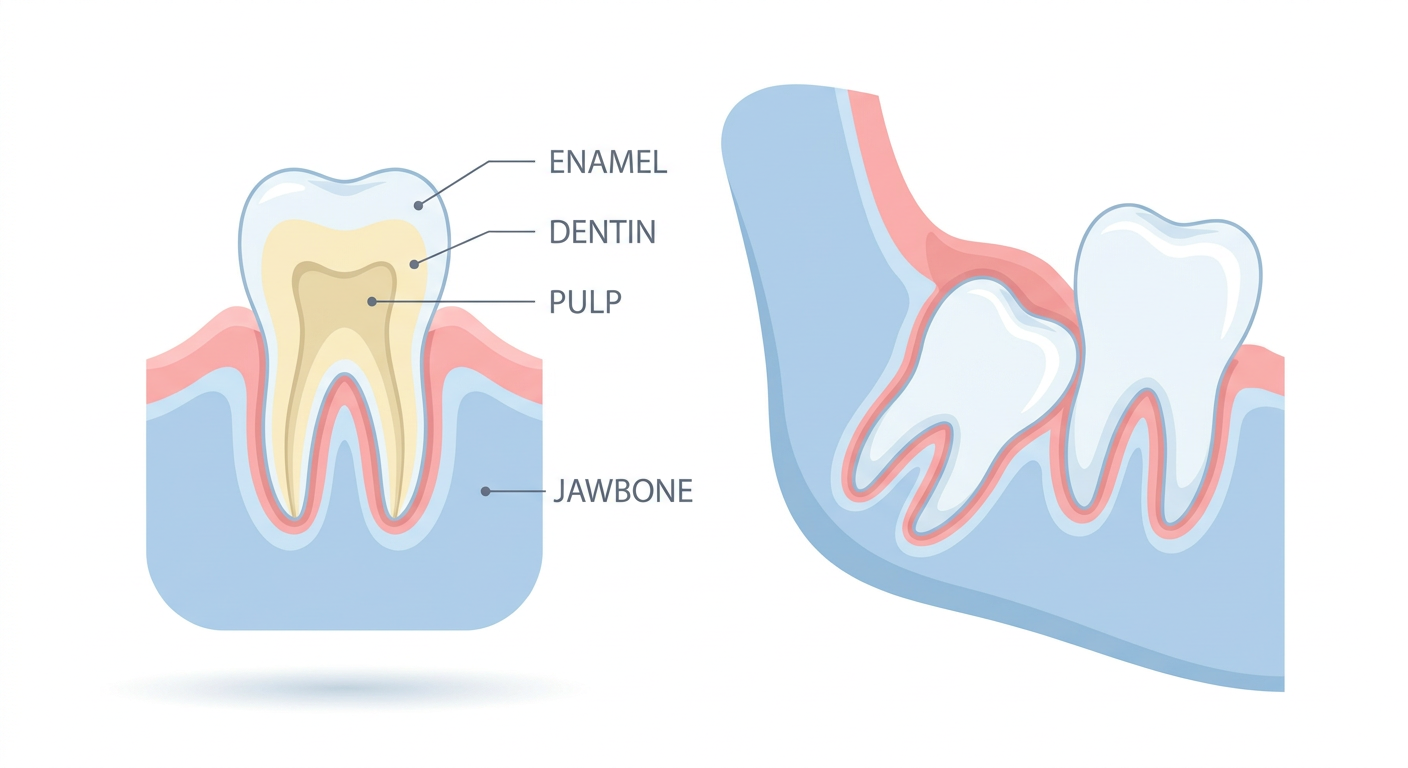
The American Dental Association identifies several common reasons dentists recommend extractions. Severe decay that has destroyed too much tooth structure to support a porcelain crown often requires removal. Advanced gum disease can loosen teeth to the point where they cannot be stabilized. Impacted wisdom teeth—those that don’t have room to emerge properly—frequently need extraction to prevent infection and crowding.
Other situations that may require extraction include teeth fractured below the gumline, preparation for orthodontic treatment when crowding is severe, or teeth that have become infected at the root and cannot be treated with root canal therapy. For Mesa and East Valley families, understanding when extraction is truly necessary versus when other treatments might work helps you make informed decisions about your care.
At EVDP, Dr. Nathan Smith always discusses all available options before recommending extraction. With over 30 years of experience and his DMD from Tufts University School of Dental Medicine, he prioritizes saving teeth when feasible—but also recognizes when removal is the best path to protecting your long-term oral health.
How EVDP Handles the Tooth Extraction Process
Understanding exactly what happens during your appointment helps reduce anxiety. At East Valley Dental Professionals, we’ve refined our extraction process to prioritize your comfort while ensuring thorough, safe treatment.
Before Your Extraction
Your extraction begins with a comprehensive evaluation. Dr. Smith reviews your medical history, current medications, and takes diagnostic X-rays to assess the tooth’s position, root structure, and surrounding bone. This planning phase is essential—it allows the team to anticipate any complexities and prepare accordingly.
If you experience dental anxiety, we’ll discuss sedation options during this consultation. EVDP offers sedation dentistry to help nervous patients relax throughout the procedure. We also schedule extractions during our early morning hours (starting at 6:30 AM Monday through Thursday) when many patients feel freshest and least anxious.
During the Procedure
On extraction day, we start by thoroughly numbing the area around the tooth with local anesthetic. You should feel pressure but no pain during the procedure—if you feel any discomfort, let us know immediately so we can add more anesthesia.
For simple extractions (teeth visible above the gumline), Dr. Smith uses specialized instruments to gently loosen the tooth in its socket before lifting it out. The entire process typically takes 20 to 30 minutes.
Surgical extractions are necessary for teeth that have broken at the gumline or haven’t fully erupted (like impacted wisdom teeth). These require a small incision in the gum tissue and sometimes removing a small amount of bone to access the tooth. Dr. Smith’s three decades of clinical experience mean he can handle complex extractions that might require a referral at other practices.
Immediately After
Once the tooth is removed, we place gauze over the extraction site and have you bite down firmly to control bleeding and encourage clot formation. We’ll provide detailed written aftercare instructions before you leave, and our team is always available by phone if questions arise during your recovery.
If you’re experiencing tooth pain or have been told you need an extraction, our Mesa team is ready to help. Schedule an appointment or call 480-838-3033 to discuss your options with Dr. Smith.
What Mesa Patients Should Know About Extraction Recovery
Recovery from a tooth extraction varies based on the complexity of the procedure, but most patients feel significantly better within three to five days. Knowing what to expect—and what to watch for—helps ensure smooth healing.
Who Is a Good Candidate?
Most healthy adults tolerate extractions well. However, certain conditions require special precautions. If you take blood thinners, have diabetes, or have had radiation therapy to the head or neck, be sure to share this information during your consultation. Dr. Smith coordinates with your physicians when needed to ensure safe treatment.
What to Expect During Recovery
Mild to moderate discomfort, swelling, and minor bleeding are normal for the first 24 to 48 hours. We typically recommend over-the-counter pain relievers like ibuprofen, though prescription medication is available for surgical extractions. Applying ice packs in 20-minute intervals helps reduce swelling during the first day.
Avoid drinking through straws, smoking, or vigorous rinsing for at least 72 hours—these activities can dislodge the blood clot and cause a painful condition called dry socket. Stick to soft foods like yogurt, applesauce, and scrambled eggs for the first few days, gradually returning to your normal diet as comfort allows.
Cost Considerations
Extraction costs depend on whether the procedure is simple or surgical, and whether sedation is used. EVDP works within your budget and accepts most major insurance plans. Visit our insurance and financing page for details, or ask about our dental membership plan if you don’t have coverage.
When to Call the Dentist
Contact our office immediately if you experience fever over 101°F, severe pain that worsens after the third day, excessive bleeding that doesn’t stop with pressure, or signs of infection like pus or foul taste. Our team provides same-day emergency dental care for complications.
Does Getting a Tooth Pulled Hurt?
No, you should not feel pain during the extraction itself because the area is completely numbed with local anesthetic. You will feel pressure and movement as Dr. Smith works, but sharp pain means more anesthesia is needed—and we always add it immediately.
Post-procedure discomfort is typically manageable with over-the-counter pain relievers for simple extractions. Surgical extractions may require prescription medication for the first day or two. At East Valley Dental Professionals, we take dental anxiety seriously and offer sedation options for patients who need extra help relaxing.
How Long Does It Take to Recover from a Tooth Extraction?
Most patients return to normal activities within 24 to 48 hours, though the extraction site takes about one to two weeks to fully heal. Complete bone and gum healing typically requires three to four months, which is important to know if you’re planning dental implants to replace the missing tooth.
Following your aftercare instructions closely—especially avoiding straws and smoking—helps prevent complications that could extend recovery. Patients in Tempe, Chandler, and Gilbert who choose EVDP receive detailed guidance and have direct access to our team if concerns arise during healing.
What Are My Options for Replacing an Extracted Tooth?
Replacing a missing tooth is important for maintaining proper bite alignment and preventing neighboring teeth from shifting. The three main options are dental implants, bridges, and partial dentures—each with distinct advantages depending on your situation.
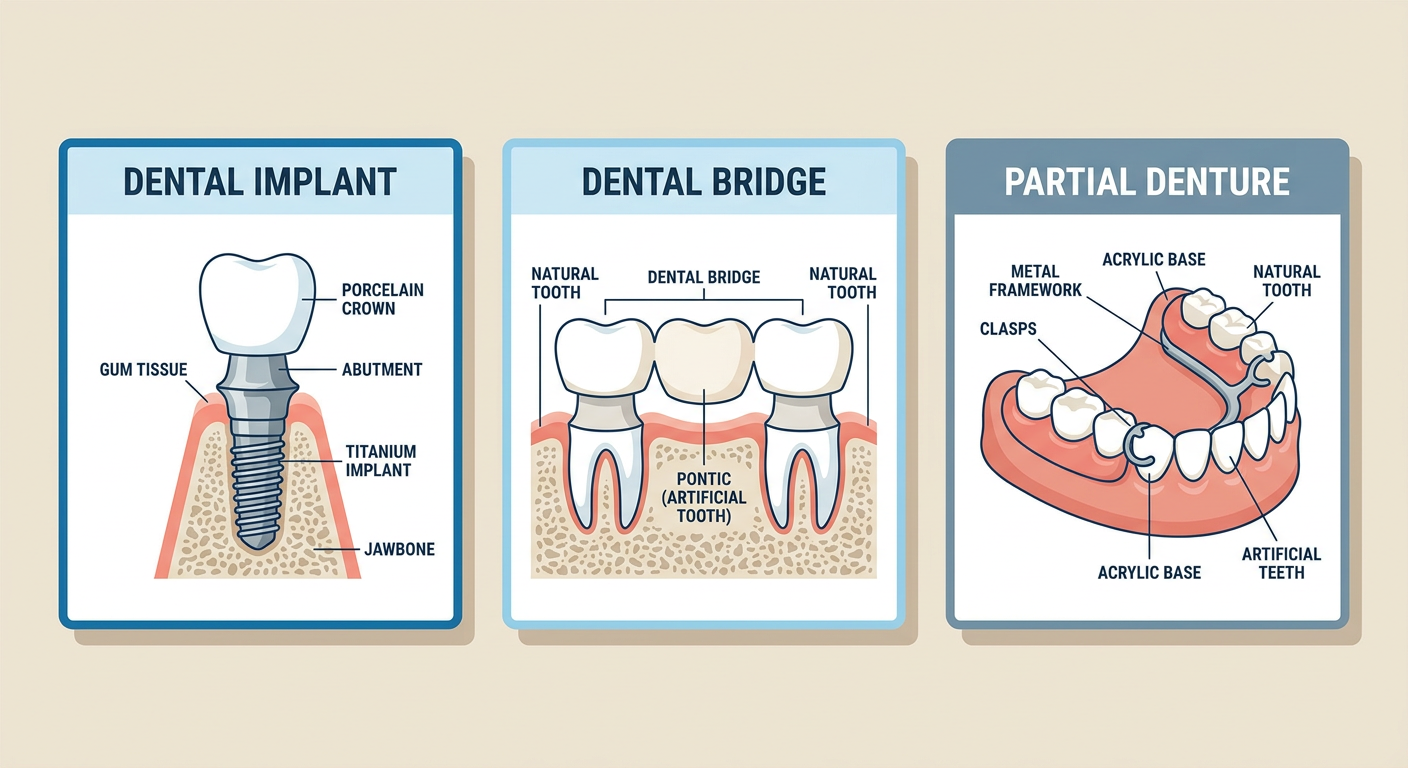
Dental implants provide the most natural-looking and longest-lasting solution, functioning like a real tooth root. Dental bridges anchor to adjacent teeth and work well when implants aren’t feasible. Partial dentures offer a removable, budget-friendly option. Dr. Smith discusses these choices during your extraction consultation so you can plan ahead.
Take the Next Step Toward Better Oral Health
Tooth extraction sounds intimidating, but understanding the process reveals it’s a routine procedure with predictable, manageable recovery. When performed by an experienced dentist using modern techniques, extraction resolves pain and prevents further damage to your oral health.
If you’re dealing with a damaged tooth or have questions about whether extraction is right for you, our Mesa team is here to help. Call East Valley Dental Professionals at 480-838-3033 or schedule your appointment online to get the answers you need.
East Valley Dental Professionals · 2058 S Dobson Rd, Suite 12, Mesa, AZ 85202 · 480-838-3033.
Frequently Asked Questions
How much does a tooth extraction cost in Mesa, AZ?
Tooth extraction costs vary based on whether the procedure is simple or surgical and whether sedation is used. EVDP works within your budget and accepts most insurance plans. Contact us at 480-838-3033 for a personalized estimate.
Can I eat after a tooth extraction?
Yes, but stick to soft foods like yogurt, applesauce, and mashed potatoes for the first two to three days. Avoid hot foods, crunchy items, and anything that requires vigorous chewing until your extraction site begins healing.
Does EVDP offer same-day tooth extractions?
Yes, East Valley Dental Professionals provides same-day emergency extractions for severe pain, infection, or trauma. Call 480-838-3033 and our Mesa team will accommodate urgent cases as quickly as possible.
What is dry socket and how do I prevent it?
Dry socket occurs when the blood clot at the extraction site dislodges, exposing bone and nerves. Prevent it by avoiding straws, smoking, and vigorous rinsing for at least 72 hours after your procedure.
Where can I get a tooth extraction near Tempe or Chandler?
East Valley Dental Professionals in Mesa serves patients throughout Tempe, Chandler, Gilbert, and the East Valley. Our office at 2058 S Dobson Rd is conveniently located with early morning appointments available.