
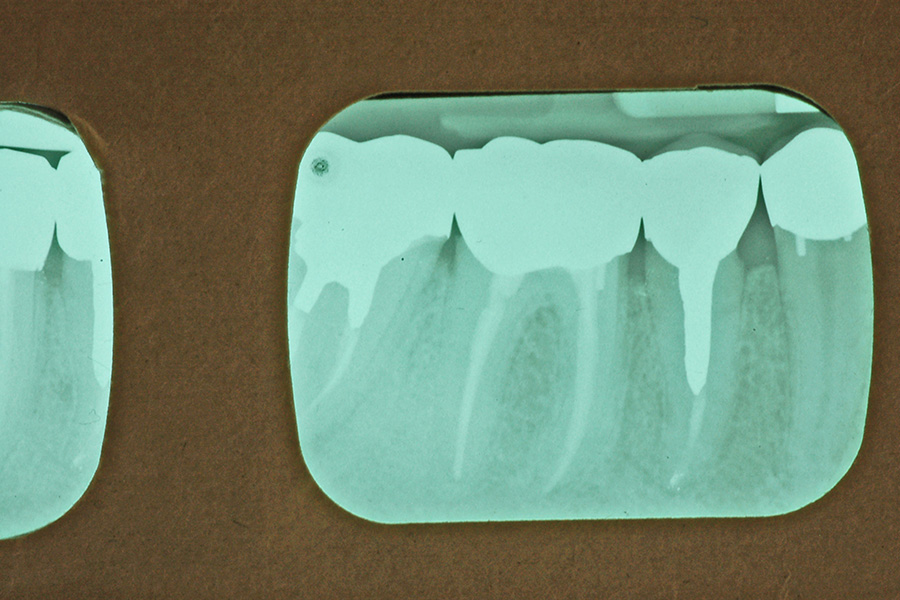
When That Toothache Becomes a Crossroads Decision
It starts innocently enough—a slight sensitivity when you sip your morning coffee at your favorite Mesa café, or a quick jolt when you bite into something sweet. You tell yourself it’s nothing, maybe just the Arizona heat making you more sensitive. But then the pain becomes your unwelcome companion, throbbing through dinner at Organ Stop Pizza, keeping you awake in your Dobson Ranch home, and suddenly you’re facing a decision that feels both urgent and overwhelming: try to save the tooth with a root canal and crown, or just have it pulled?
At East Valley Dental Professionals, we have this conversation with Mesa patients every single day. The immediate question is always about pain relief, but quickly followed by concerns about cost, time, and whether saving the tooth is really worth it. After four decades of serving families from Mesa, Tempe, Chandler, and Gilbert, we’ve learned that the real value of root canals and crowns goes far beyond just fixing a damaged tooth—it’s about preserving your oral health, maintaining your quality of life, and often saving money in the long run.
Dr. Nathan Smith often tells patients, “Your natural teeth are irreplaceable assets. Even the best dental implant or bridge can’t match the tooth nature gave you.” This isn’t just dental philosophy—it’s practical wisdom backed by decades of seeing what happens when patients choose extraction over preservation, and the cascading effects that follow.
The truth is, root canals and crowns have gotten an unfair reputation. Modern techniques have transformed these procedures into comfortable, predictable treatments that can save teeth for decades. But more importantly, understanding their real value helps Mesa patients make informed decisions that benefit their health and wallet for years to come.
Understanding Root Canals: Why This Procedure Is Actually Your Tooth’s Best Friend
Let’s address the elephant in the room first—the phrase “root canal” has become synonymous with something horrible, but this reputation is about as outdated as dial-up internet. Modern root canal therapy at East Valley Dental Professionals is nothing like the horror stories from decades past. In fact, most of our Mesa patients are surprised by how comfortable the procedure is, often comparing it to getting a regular filling, just taking a bit longer.
So what exactly happens during a root canal? When bacteria penetrate deep into your tooth—through a cavity, crack, or old filling—they reach the pulp, the living tissue inside your tooth containing nerves and blood vessels. This infection causes the pain that brought you to our office. A root canal removes this infected tissue, thoroughly cleans the internal chambers of your tooth, and seals them to prevent future infection. Think of it as a deep cleaning for the inside of your tooth, removing the source of pain while preserving the tooth structure.
“Does a root canal hurt?” is invariably the first question we hear, often asked with visible anxiety. Here’s the truth: the root canal doesn’t cause pain—it relieves it. The infection in your tooth is what’s causing your suffering. With modern anesthetics and techniques, you shouldn’t feel any pain during the procedure. Dr. Smith uses advanced numbing techniques, and we always ensure you’re completely comfortable before beginning. Most patients actually fall asleep during the procedure because they’re finally free from the throbbing pain that kept them awake the previous night.
The technology we use today makes root canals more precise and comfortable than ever. Digital X-rays provide detailed images with less radiation exposure. Rotary instruments clean the canals more thoroughly and quickly than hand files. Our Mesa office uses rubber dams to isolate the tooth, keeping the area clean and dry while protecting you from any materials used during the procedure. These advances mean what once took multiple long appointments can often be completed in a single 90-minute visit.
“How long does a root canal last?” depends on several factors, but with proper restoration (usually a crown) and good oral hygiene, a root canal-treated tooth can last a lifetime. We have patients who received root canals from Dr. Brinkman in the 1980s still enjoying those same teeth today. The key is protecting the tooth afterward, which is where crowns become essential.
The success rate for root canals is remarkably high—studies show about 95% are successful long-term when properly restored. Compare this to the 100% failure rate of not treating an infected tooth (because infection doesn’t resolve on its own), and the choice becomes clearer. The infection will spread, potentially creating an abscess, bone loss, and systemic health issues that go far beyond dental problems.
The Crown Connection: Why Root Canals and Crowns Are Partners in Preservation
After a root canal, your tooth is like a house that’s been cleaned and repaired on the inside but still needs a new roof to protect it from the elements. That’s exactly what a crown does—it covers and protects the tooth, restoring its strength and function. This partnership between root canal and crown is crucial for long-term success.
A tooth that’s had a root canal becomes more brittle over time because it no longer receives nutrients from blood vessels. Without the protection of a crown, the tooth is vulnerable to fracture, especially back teeth that endure significant chewing forces. We’ve seen too many cases where patients delayed getting a crown after a root canal, only to have the tooth split months later, necessitating extraction—wasting the investment in the root canal and requiring more expensive replacement options.
“Do I always need a crown after a root canal?” Generally, yes, especially for molars and premolars. These teeth bear the brunt of chewing forces—up to 200 pounds of pressure per square inch when you bite down. Front teeth that don’t endure as much force might sometimes be restored with just a filling, but even these often benefit from crown protection. Dr. Smith evaluates each case individually, but in our experience, crowning a root canal-treated tooth is insurance against future fracture.
Modern crowns at East Valley Dental Professionals are nothing like the obvious metal caps of the past. Today’s all-ceramic and zirconia crowns are virtually indistinguishable from natural teeth. Using advanced CAD/CAM technology, we can often create and place a crown in a single visit—no temporary crown, no second appointment, no waiting weeks for a lab. Our Mesa patients love the convenience of our CEREC same-day crown technology, especially when combined with a root canal to complete their treatment in one day.
The process of getting a crown involves reshaping the tooth to create room for the crown material, taking precise impressions or digital scans, and crafting a crown that matches your bite perfectly. The attention to detail matters—a crown that’s even slightly off can cause bite problems, jaw pain, and premature wear on other teeth. Our four decades of experience means we get it right the first time.
“How long do crowns last?” With proper care, a well-made crown typically lasts 10 to 15 years, though we have many patients whose crowns have served them well for 20 years or more. Factors affecting longevity include your oral hygiene, grinding or clenching habits, and the crown material chosen. We help Mesa patients select the best material for their specific situation, balancing durability, aesthetics, and cost.
The True Cost Analysis: Why Saving Your Tooth Saves You Money
Let’s talk honestly about what concerns most Mesa patients—the cost. A root canal and crown isn’t cheap, typically ranging from $2,000 to $3,500 total in the East Valley, depending on the tooth and materials chosen. When you’re in pain and hear that number, extraction at $150 to $300 seems tempting. But this is where understanding the real, long-term costs becomes crucial.
When you extract a tooth, you’re not done paying. That gap in your smile isn’t just a cosmetic issue—it’s the beginning of a domino effect. The adjacent teeth start shifting into the empty space, changing your bite and potentially causing jaw problems. The opposing tooth, with nothing to bite against, begins to super-erupt, growing out of its socket and becoming loose. The bone where your tooth was begins to dissolve—a process called resorption—changing your facial structure over time.
“Can’t I just leave the space empty?” Technically yes, but at what cost? Beyond the functional and health issues, there are practical daily impacts. If it’s a back tooth, you’ll start chewing more on the other side, wearing those teeth faster and potentially causing TMJ problems. If it’s a visible tooth, it affects your smile, your confidence, and even how others perceive you in professional and social situations.
Most patients who extract a tooth eventually want to fill the space. A dental implant, the gold standard for tooth replacement, costs $3,000 to $5,000—more than you would have spent on the root canal and crown. A bridge, which requires grinding down the adjacent healthy teeth, costs $3,000 to $5,000 and typically needs replacement every 10 to 15 years. Even a partial denture, the most economical option at $800 to $2,000, comes with its own challenges and ongoing costs.
Let’s do the math for a typical Mesa patient. Sarah, a 45-year-old teacher, needs a root canal and crown on a molar. Option one: root canal ($1,200) plus crown ($1,300) equals $2,500, and the tooth lasts 20+ years. Option two: extraction ($200) plus implant ($4,000) equals $4,200, and she’s without a tooth for several months during healing. Option three: extraction ($200) plus bridge ($3,500) equals $3,700, but the bridge needs replacement in 15 years (another $3,500), plus potential problems with the anchor teeth. The root canal and crown is actually the most economical choice.
Insurance coverage also factors into the equation. Most dental insurance plans cover root canals at 80% and crowns at 50% after deductibles, making your out-of-pocket cost significantly less. The same insurance typically covers extractions but provides limited coverage for implants, often considering them cosmetic. At East Valley Dental Professionals, we maximize your insurance benefits and offer payment plans to make preservation affordable.
“What if the root canal fails?” This is a fair concern, but the 95% success rate means failure is uncommon. Even if a root canal fails years later, you have options—retreatment, apicoectomy (surgical root canal), or then extraction. You’ve bought years of function from your natural tooth, and extraction remains available as a last resort. Starting with extraction eliminates all other options immediately.
The Hidden Benefits: What Mesa Patients Discover After Saving Their Teeth
Beyond the financial analysis, there are quality-of-life benefits to saving your natural teeth that our Mesa patients consistently report, benefits that don’t show up in a cost spreadsheet but profoundly impact daily life.
Your natural tooth maintains the sensory feedback that helps you enjoy food and protect your teeth. Natural teeth have proprioceptors—nerve endings that detect pressure—telling your brain exactly how hard to bite into that Macayo’s chimichanga without thinking about it. Implants, while excellent, don’t provide this feedback. Patients with multiple implants often tell us they miss the subtle sensations of natural teeth.
Preserving your natural tooth maintains your jawbone integrity. Your tooth root stimulates the surrounding bone with every bite, keeping it healthy and strong. Remove the tooth, and that stimulation stops, causing bone loss that can affect facial appearance and complicate future dental work. Even the best implant doesn’t prevent all bone loss the way a natural root does.
“How soon can I eat normally after a root canal?” Most patients resume normal eating the same day, just avoiding the treated tooth until the crown is placed. Compare this to implants, which require months of healing before full function, or dentures that permanently change how and what you eat. Our Mesa patients often express relief at how quickly they return to normal life after root canal treatment.
The psychological benefits shouldn’t be underestimated either. There’s something deeply unsettling about losing a tooth—it’s a visceral reminder of aging and mortality that affects people more than they expect. Keeping your natural teeth maintains your sense of wholeness and youth. We’ve seen patients become emotional when told their tooth can be saved rather than extracted, relief mixing with gratitude.
Time efficiency is another hidden benefit. A root canal and crown can often be completed in one or two appointments over a couple of weeks. An implant process takes four to six months from extraction to final crown. For busy Mesa professionals, parents juggling kids’ schedules, or retirees with active social lives, the time saved is invaluable.
“Will my tooth look different after a root canal and crown?” Actually, it often looks better. Modern crowns can correct shape, color, and minor alignment issues. We’ve had patients whose crowned teeth look so natural that they forget which tooth was treated. The materials we use—especially our high-quality ceramics—mimic natural tooth translucency and color variation perfectly.
Common Fears and Concerns: Let’s Address Them Honestly
We understand that deciding to undergo a root canal and crown involves overcoming fears and concerns. Let’s address the most common ones our Mesa patients express, with honest, straightforward answers.
“What if I can’t afford the treatment right now?” This is perhaps the most common concern, and we have several solutions. First, we can often perform the root canal to eliminate infection and pain, then place a temporary filling while you arrange financing for the crown. While not ideal long-term, this buys you time without risking your health. We offer CareCredit with interest-free periods, payment plans, and we’ll help maximize your insurance benefits across calendar years if needed.
“I’ve heard root canals cause illness—is this true?” This myth stems from poorly conducted research from the 1920s that has been thoroughly debunked by modern science. There is no valid scientific evidence linking properly performed root canals to disease. In fact, avoiding treatment for an infected tooth poses real, documented health risks, as oral bacteria can enter your bloodstream and affect your heart, joints, and other organs.
The fear of pain during the procedure remains strong despite modern advances. Here’s what actually happens: we test to ensure you’re completely numb before starting—if you feel anything beyond pressure, we stop and add more anesthetic. We use topical gel before injections so you don’t even feel the needle. Many patients bring earbuds and listen to music or podcasts. Some choose sedation options for additional relaxation. The anticipation is invariably worse than the actual experience.
“How do I know if I really need a root canal?” Symptoms indicating root canal need include severe toothache, prolonged sensitivity to hot or cold, tooth discoloration, swelling and tenderness in nearby gums, and a persistent pimple on the gums. However, sometimes there are no symptoms, which is why regular checkups are crucial. We use diagnostic tests including X-rays, cold tests, and electric pulp testing to confirm the diagnosis before recommending treatment.
“What happens if I wait too long?” Dental infections don’t improve on their own—they only get worse. Waiting can lead to abscess formation, bone loss around the tooth, spread of infection to adjacent teeth, and in rare but serious cases, systemic infection that requires hospitalization. We recently had a Chandler patient who delayed treatment and developed facial cellulitis, requiring emergency medical care and IV antibiotics. The root canal that could have prevented this would have been far simpler and less expensive than the medical crisis that resulted.
Some patients worry about the tooth becoming discolored after a root canal. While some darkening can occur in front teeth without crowns, this is why we typically recommend crowns even for front teeth when aesthetics are a concern. The crown completely covers any discoloration while protecting the tooth structure.
Why East Valley Dental Professionals Is Mesa’s Trusted Choice for Root Canals and Crowns
Choosing where to have your root canal and crown matters as much as deciding to have the procedure. At East Valley Dental Professionals, our combination of experience, technology, and genuine care makes the difference between a stressful ordeal and a comfortable solution to your dental problem.
Dr. Nathan Smith has performed thousands of root canals during his career, developing the expertise to handle even complex cases that other dentists refer out. His gentle technique and attention to patient comfort have earned him a reputation throughout Mesa as the dentist who can help even the most anxious patients through root canal treatment comfortably.
Our technology investment directly benefits your experience and outcome. Digital X-rays reduce radiation exposure while providing clearer images for accurate diagnosis. Our rotary endodontic instruments make the procedure faster and more comfortable than traditional hand files. The CEREC system for same-day crowns means you can often complete your entire treatment in one day—no temporary crown, no second appointment, no weeks of waiting.
“Can I get my root canal and crown the same day?” Often, yes! Our same-day treatment option combines the root canal with immediate crown placement using our CEREC technology. This is particularly beneficial for Mesa patients who travel, have difficulty getting time off work, or simply want to complete their treatment efficiently. Not every case qualifies for same-day treatment, but Dr. Smith will let you know if you’re a candidate.
The continuity of care at East Valley Dental Professionals makes a significant difference. Unlike practices that refer root canals to endodontists and crowns to different specialists, we handle everything in-house. You’re with the same team who knows your history, understands your concerns, and maintains consistent communication throughout your treatment. This integration reduces errors, saves time, and provides a more comfortable experience.
Our four decades serving the Mesa community means we’ve treated multiple generations of families. Parents who had root canals from Dr. Brinkman now bring their adult children to Dr. Smith for the same excellent care. This longevity isn’t just about clinical excellence—it’s about trust, built one patient at a time through honest advice and successful outcomes.
“What if I need help during recovery?” We provide comprehensive post-treatment care, including detailed instructions, prescribed medications when needed, and always available for questions or concerns. Dr. Smith personally follows up with root canal patients, and our team is just a phone call away if you have any concerns. This level of care continues long after your treatment—we monitor root canal-treated teeth at every checkup to ensure continued success.
Real Patient Stories: Mesa Residents Share Their Experiences
Sometimes the best way to understand the value of root canals and crowns is through the experiences of your Mesa neighbors who’ve been through it themselves.
Tom, a 52-year-old engineer from Dobson Ranch, avoided the dentist for years until a tooth infection became unbearable. “I was terrified of root canals based on horror stories from my dad’s generation,” he admits. “But Dr. Smith explained everything, the procedure was actually comfortable, and I was back at work the next day. That was five years ago, and the tooth still feels completely normal. My only regret is suffering with the pain for weeks before coming in.”
Jennifer, a teacher at Mesa Public Schools, faced a choice between extraction and root canal for a visible premolar. “The oral surgeon said extraction would be cheaper and faster. But East Valley Dental Professionals showed me what would happen long-term—the other teeth shifting, the bone loss, eventually needing an implant anyway. The root canal and crown cost more upfront, but three years later, I’m so glad I kept my tooth. It looks and feels completely natural.”
Robert and Maria, retirees who winter in Mesa, needed multiple root canals and crowns. “We thought about going to Mexico for cheaper treatment,” Maria explains. “But when we calculated the travel, the uncertainty about quality, and the lack of follow-up care, East Valley Dental Professionals made more sense. They worked with our insurance, set up a payment plan, and we could phase the treatment over two years to maximize our benefits. The peace of mind alone was worth staying local.”
“How do I know if my old root canal is failing?” This question came from David, whose 20-year-old root canal started bothering him. Signs of root canal failure include return of pain or sensitivity, swelling or drainage near the tooth, or a crack in the tooth. In David’s case, the root canal itself was fine, but the old crown had developed a leak, allowing bacteria to enter. We replaced the crown, saving the tooth for many more years—a much better outcome than extraction and implant.
These stories reflect a common theme: initial fear or cost concerns giving way to relief and satisfaction after treatment. The investment in saving natural teeth pays dividends in comfort, function, and often finances over the long term.
Making Your Decision: A Framework for Mesa Patients
When you’re sitting in our Mesa office, facing the decision between root canal and extraction, how do you make the right choice for your situation? Here’s the framework we use to help patients decide.
First, consider your age and overall health. A healthy 40-year-old has potentially 40+ years to benefit from saving a tooth, making the investment clearly worthwhile. But even our 70-year-old patients often benefit from preservation—modern 70-year-olds are active, healthy, and want to maintain their quality of life. Only when health conditions make dental procedures risky do we lean toward simpler solutions.
Evaluate the tooth’s strategic importance. A first molar is crucial for chewing efficiency and maintaining your bite. A second molar, while important, might be less critical if other teeth are healthy. Front teeth affect appearance and speech. Each tooth plays a role, and Dr. Smith helps you understand what losing that specific tooth means for your oral health.
“Is it worth saving a tooth that’s already had a root canal?” Often, yes. Root canal retreatment or apicoectomy can save a tooth that’s had a failed root canal, though success rates are somewhat lower than initial treatment. We evaluate each case individually, but many teeth deserve a second chance before considering extraction.
Consider your financial situation holistically. Yes, root canal and crown require a significant upfront investment, but spread over the decades the tooth will serve you, the per-year cost is quite reasonable. Factor in the costs of not treating—pain medication, time off work, eventual emergency treatment, and replacement options. Our financial coordinator can show you various payment scenarios to make treatment manageable.
Think about your lifestyle and priorities. Do you value the ability to eat whatever you want? Is your appearance important for your career or social life? Do you want to avoid the maintenance and adjustments that come with dentures or bridges? Your personal values should guide your decision as much as clinical recommendations.
Trust your dentist’s recommendation, but don’t hesitate to ask questions. At East Valley Dental Professionals, we’ll never pressure you into treatment you’re not comfortable with. We present options, explain consequences, and support your decision. If you need time to think or want a second opinion, we encourage that. This is your mouth, your health, and your choice.
The Technology That Makes Modern Root Canals Different
The root canal experience at East Valley Dental Professionals today bears little resemblance to treatments from even a decade ago. Understanding the technology we use helps Mesa patients feel more confident about their treatment.
Our cone beam CT scanner provides 3D images of your tooth and surrounding structures, revealing canal anatomy that traditional X-rays might miss. This is especially important for molars, which can have complex canal systems. Knowing exactly what we’re dealing with before we start means more predictable, successful outcomes.
Electronic apex locators precisely determine the length of root canals, ensuring we clean and fill them completely without over-extending into surrounding tissues. This precision reduces post-treatment discomfort and improves long-term success rates. Combined with digital X-rays, we can confirm perfect treatment completion before you leave the chair.
“Why do some dentists refer root canals to specialists?” While general dentists can perform root canals, some prefer to refer complex cases to endodontists. At East Valley Dental Professionals, Dr. Smith has invested in the training and technology to handle most root canals in-house, referring only the most complex cases. This means convenience for you—staying with your trusted dental team rather than starting fresh with a specialist.
Nickel-titanium rotary files have revolutionized root canal treatment. These flexible, efficient instruments clean canals faster and more thoroughly than traditional stainless steel hand files. The procedure that once took multiple appointments over several weeks can often be completed in a single 90-minute visit. Less time in the chair means less stress and discomfort for you.
Our microscopic magnification allows Dr. Smith to see tiny details inside your tooth, finding and treating canals that might otherwise be missed. Missed canals are a leading cause of root canal failure, so this technology directly impacts your treatment’s long-term success.
The materials we use for filling root canals have also evolved. Modern biocompatible materials seal canals better and actually have antimicrobial properties, reducing infection risk. The materials used in your crown—whether ceramic, zirconia, or porcelain-fused-to-metal—are stronger and more aesthetic than ever before.
Your Next Steps: From Pain to Relief
If you’re reading this while dealing with tooth pain, wondering whether to save or extract a damaged tooth, here’s your path forward.
First, don’t wait. Dental infections can escalate quickly. What’s manageable today might become an emergency tomorrow. Call East Valley Dental Professionals at (480) 838-3033 for a same-day emergency appointment if you’re in pain. We reserve time daily for urgent cases because we know tooth pain can’t wait.
Second, come prepared for your consultation. Bring any recent X-rays, a list of medications you’re taking, and your insurance information. Be ready to describe your symptoms—when they started, what triggers them, what provides relief. This information helps us diagnose accurately and recommend appropriate treatment.
Third, be honest about your concerns. Whether it’s fear, finances, or scheduling, we can only help if we know what’s worrying you. There’s no judgment—we’ve heard it all and have solutions for most concerns. Many patients are relieved to learn their fears were worse than reality.
“What if I need multiple root canals?” We often see patients who’ve delayed treatment and need several teeth addressed. We prioritize based on urgency—infection and pain first—then create a phased treatment plan that works with your schedule and budget. Using insurance strategically across calendar years can significantly reduce out-of-pocket costs.
Remember, choosing to save your tooth with a root canal and crown is choosing to invest in your long-term oral health, quality of life, and often your finances. The technology, techniques, and materials available today make this investment more predictable and valuable than ever.
The Bottom Line: Your Natural Teeth Are Worth Saving
After four decades of serving Mesa families, we’ve seen the long-term outcomes of both saving and extracting teeth. The evidence is overwhelming—when possible, saving your natural tooth with a root canal and crown provides better health outcomes, quality of life, and often financial value than extraction and replacement.
Modern root canal treatment is comfortable, predictable, and successful. Combined with a quality crown, your treated tooth can last decades, maintaining your natural bite, preserving bone structure, and keeping your smile complete. The investment you make today in saving your tooth pays dividends for years to come.
At East Valley Dental Professionals, we’re committed to helping Mesa patients preserve their natural teeth whenever possible. Our combination of experience, technology, and genuine care ensures you receive the best possible outcome, whether that’s a root canal and crown or exploring other options that better suit your situation.
Take Action Today: Schedule Your Consultation
Don’t let fear or uncertainty keep you from getting the care you need. Whether you’re dealing with current pain or have been told you need a root canal, we’re here to help with honest advice, comfortable treatment, and financial options that work for your situation.
📞 Call Today: (480) 838-3033
📍 Visit Us: 2058 S Dobson Rd, Suite 12, Mesa, AZ 85202
💻 Book Online: www.evdp.net
📧 Email: frontoffice(dot)evdp(at)gmail(dot)com
Special Offerings:
- Same-day emergency appointments for tooth pain
- Free second opinions on root canal recommendations
- Insurance maximization consultation
- Flexible payment plans and CareCredit financing
- Same-day crown options with CEREC technology
Office Hours: Monday-Thursday: 6:30 AM – 2:00 PM
Emergency appointments available
Remember, every day you delay treatment is another day of unnecessary discomfort and potentially worsening infection. Your natural teeth are irreplaceable assets—let us help you protect them.
East Valley Dental Professionals has been serving Mesa, Tempe, Chandler, and Gilbert since 1984. We specialize in comfortable root canal treatment and beautiful, durable crowns that save your natural teeth and restore your smile. When it comes to preserving your oral health, experience matters—trust the practice your neighbors have relied on for over 40 years.